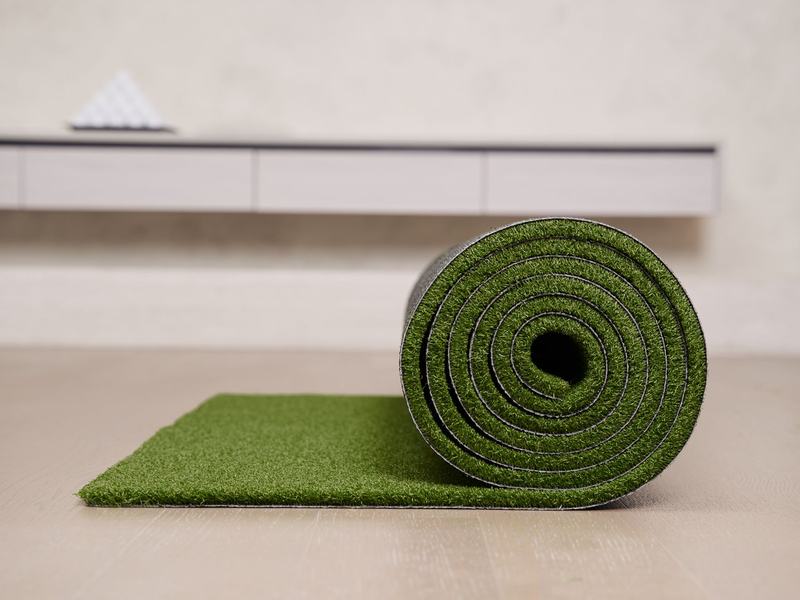
Late September through November gives you the best installation conditions in Springfield. Early spring from March through April also works well, but avoid May when rain averages 5.6 inches.
Late September through November offers ideal conditions for artificial turf installation in Springfield. Temperatures in this window range from the upper 50s to low 80s, making physical work comfortable and allowing adhesives and seaming materials to cure properly. Rain decreases compared to spring, with September averaging 4.3 inches and November 3.6 inches.
Fall installation gives you a finished yard ready for use through winter and into spring. Unlike natural grass that goes dormant and turns brown by late November, artificial turf stays green year-round. You can enjoy your yard during mild winter days, which are common in Springfield where January averages a high of 44 degrees.
Contractor availability tends to be better in fall than spring. Many homeowners wait until spring to think about outdoor projects, creating scheduling backlogs. Booking a fall installation often means faster scheduling and more flexible timing if weather causes short delays.
Early spring from March through mid-April provides a second good installation window. March averages 3.5 inches of rain and temperatures climb from the upper 50s into the upper 60s. The ground has typically dried out from winter moisture, and crews can work comfortably before summer heat arrives.
Avoid scheduling installation in May if possible. May is the wettest month in Springfield, averaging 5.6 inches of rain across nearly 13 rainy days. The Springfield area also sees peak severe weather and tornado activity from April through June. In 2024, severe storms and tornadoes hit on May 6-8 and May 26. Similar patterns occurred in 2023, 2021, 2019, and many other years going back decades.
Clay soil common throughout Greene County drains slowly. After a heavy spring storm drops two or three inches of rain, the ground may stay too wet for excavation and base work for three to five days. This makes scheduling difficult in May and early June when storms are frequent. What should be a three-day installation can stretch to two weeks with multiple weather delays.
Summer installation is possible but presents challenges. July and August see average highs around 89 degrees, and Springfield humidity makes it feel hotter. Working in this heat is physically demanding for installation crews. Some adhesives and seaming tapes also perform poorly in extreme heat, requiring early morning or evening work.
Summer does have lower rainfall than spring. July averages 3.9 inches and August 3.6 inches. If your schedule requires summer installation, late August or early September works better than peak heat in July. Just be prepared that the project may take longer due to heat limitations on working hours.
Winter installation from December through February is the least desirable window. Cold temperatures affect adhesive curing and make the ground harder to excavate. While average highs in December and January reach the mid-40s, overnight lows drop into the mid-20s. Frozen ground stops work entirely. Most professional installers in Springfield avoid winter projects unless absolutely necessary.
Springfield has experienced significant severe weather over the years including the November 29, 1991 F4 tornado that struck the city, an April 1983 tornado, and frequent severe storms in recent years including events in 2019, 2021, 2023, 2024, and 2026. April through June represents the primary severe weather season, with a secondary period in fall from September through November, though fall storms are typically less frequent and severe than spring.
When scheduling your installation, build in buffer time for weather delays. A project scheduled in October with a one-week buffer for rain delays will likely finish on time. The same project scheduled in May might face multiple storm delays. Discuss weather contingencies with your installer upfront so you understand how delays will be handled.
Watch long-range forecasts as your installation date approaches. If a major storm system is predicted, most installers will reschedule proactively rather than mobilize equipment only to stop work. This is normal and protects both the installer and the quality of your finished project.
Regardless of installation timing, you can prepare your yard in advance to make the project go smoother. Remove any lawn furniture, planters, or decorations from the installation area. Mark the locations of irrigation lines, invisible dog fence wiring, and low-voltage lighting so installers know where to dig carefully.
If your yard has drainage problems with standing water after storms, address these before turf installation. Artificial turf drains better than compacted clay soil but cannot fix major drainage issues on its own. Your installer can add drainage solutions like French drains, but identifying problem areas ahead of time allows better planning.
Consider scheduling your project well in advance, especially for fall installation. Contact installers in July or August to book September or October work. This gives you the pick of dates during the best weather window and avoids the rush that happens when everyone calls in September wanting October installation.
Also in our network: Best Time to Install Artificial Turf in Des Moines, Iowa, Best Time to Install Artificial Turf in Sioux Falls: Seasonal Guide.
Send us a few details and a photo and we will get you a free quote.
Get my free quote SPRINGFIELD